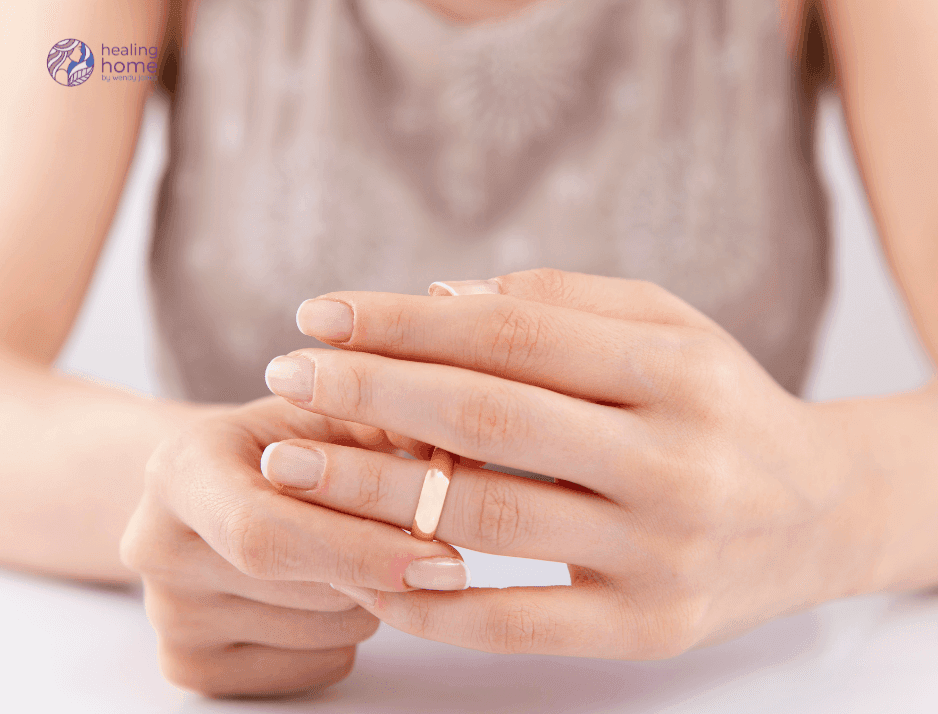

Rebuilding Your Life After Divorce
I wouldn’t have been able to write this eight years ago when he left. Rebuilding a life after divorce is not a linear process. There have been countless missteps and moments where I didn’t understand where I was or why. But from the moment it happened, one question remained in my mind: How did I end up here? Divorce is incredibly difficult, but staying in an unhealthy relationship is even harder. At Healing Home, I’ve come to understand that we endure challenges in life after divorce not only to grow ourselves but also to help others on similar paths.
The Prevalence of Burnout After Divorce
I never realized how common burnout after divorce is until I experienced it myself. Divorce shakes every aspect of your life, leaving you vulnerable to mental, physical, and emotional exhaustion. When you find yourself unable to engage in or enjoy activities that once brought joy, it’s time to assess where you are and how to reconnect with your life.
Burnout after divorce has a unique way of creeping into every aspect of your life, making it essential to recognize these feelings early on. Understanding the emotional toll of life after divorce can be the first step to recovery.
For me, I mistakenly held myself to an impossible standard of productivity, thinking it would help me “find myself.” Instead, it led to the deep exhaustion that defines burnout. True healing comes from understanding when to push and when to rest, while staying present and focusing on the circumstances you can’t control. As the core parent to four wonderful kids, those circumstances can feel overwhelming at times. However, it is crucial to prioritize your healing, so you can parent from a place of strength.
In navigating the challenges of parenting after divorce, it’s important to remember that you are not alone in this journey. Many parents face similar struggles, and acknowledging this reality can help alleviate the feelings of isolation.
Key Steps to Avoid Burnout and Thrive After Divorce
Creating a support network is crucial for anyone navigating life after divorce. Surrounding yourself with understanding friends can provide the encouragement needed to thrive.
Over the past eight years, through trial and error, I’ve discovered strategies that help mitigate burnout—even when life feels like it’s crumbling around you. If you are just starting the divorce process or navigating the early stages of parenting after divorce, I hope these tips offer some guidance.
It’s important to acknowledge that healing after divorce takes time and patience. Allowing yourself to grieve and process your emotions is essential for growth.
1. Repair Your Nervous System After Divorce
This has been the most important step in my healing process. After a toxic relationship ends, you may not realize how dysregulated your nervous system has become. I’ve faced hypervigilance, anxiety, and depression during the last eight years and even before my divorce. The more we understand our nervous systems, the better we can help our children regulate theirs.
Fortunately, many healing modalities are available that cost nothing. Grounding, yoga, meditation, journaling, proper hydration, sleep hygiene, and healthy eating habits have all been crucial for me. To explore more about how I implemented these practices, check out my High Performance Zen course at Be Better Life.
Beyond these self-care practices, if you can invest in healing, consider acupuncture, infrared saunas, massage, somatic work, and therapy. These tools help integrate your mind, body, and spirit. Most importantly, find healthy ways to honor your feelings without getting trapped in the stories your mind may tell you. Slow down, look within, and you’ll find a new flow that supports your healing after divorce.
As you engage in these self-care practices after divorce, remember to celebrate small victories along the way. Each step forward is a testament to your resilience.
2. Understand Your Backstory to Create Your Best Story After Divorce
One of the keys to my healing has been uncovering patterns from my past that led me into a codependent relationship in the first place. This isn’t about blaming others; it’s about gaining wisdom and making better choices moving forward. Recognize that people do the best they can with the knowledge and tools they have. But true growth happens when we continue learning about ourselves.
Understanding your history can help you make more informed choices in future relationships after divorce. Growth often stems from self-reflection and learning.
Once you identify the stories and patterns that shaped your past, you can create more supportive, healthy relationships in the future.
3. Create a New Blueprint for Your Life After Divorce
Divorce often reveals that we were more attached to an idea or blueprint of what life should look like rather than a fulfilling relationship. Begin visualizing a new life, driven by curiosity and openness. Life can be lived in so many different ways, and human beings are meant to thrive in supportive relationships.
Visualizing a future filled with possibilities is crucial for anyone looking to rebuild after divorce. Embrace the journey of discovering who you are without the past weighing you down.
Through my podcast, What I Meant to Say, I’ve learned that we go further in life when we have supportive relationships—whether romantic or otherwise. With a new blueprint, you can open yourself up to a variety of relationships that will help you thrive after divorce.
4. Shift from Type ‘A’ to Type ‘Be’ After Divorce
Like many others, I grew up in a world where Type A personalities were celebrated—constantly proving ourselves, staying productive, and being externally motivated. However, this mindset is a one-way ticket to burnout. Beneath the layers of conditioning is the essence of your true being, and anything worth doing flows from that place of authenticity.
To tap into this space, honor small, consistent practices that bring you relaxation and peace. For me, this included yoga, attending church, and jumping into the ocean daily. What small rituals bring you calm? Start there, and you’ll begin to move from Type ‘A’ to Type ‘Be’, embracing your true self.
Transitioning from a Type ‘A’ mindset to embracing a more relaxed approach can be liberating, especially after divorce. Allow yourself the grace to be imperfect and find joy in small moments.
5. Good Parenting Can’t Come From a Place of Guilt After Divorce
As parents, it’s natural to feel guilty after a divorce. But I learned over time that parenting from guilt isn’t sustainable. We can’t erase the pain caused by divorce, but we can show our kids how to heal and grow stronger.
Encouraging your children to express their feelings can foster emotional intelligence and resilience after divorce. Show them that healing is a journey we all embark on.
Whether you’re the primary parent or share custody, the best thing you can do is be an ally in your child’s quest for their highest potential. The goal is not to spoil them or give in to every demand, but to help them learn to regulate their emotions and develop a strong sense of self-worth.
6. Unfollow and Focus on Your Path After Divorce
Comparison is the thief of joy, and that applies to social media too. If you haven’t already, unfollow your ex on social platforms. It’s not productive or part of your path forward. Instead, focus on creating the life you envision for yourself without the distraction of what they’re doing after divorce.
You Are Enough
Every day, I pass a wall after yoga that reads: “You Are Enough.” Sometimes I still struggle with fully accepting it, but more often than not, it resonates deeply within me. The art of accepting that you are enough unlocks a journey of authenticity that shows you where best to focus your energy, which is the antidote to burnout. Embrace it, follow your heart, and create a life that’s truly aligned with your values. If you are navigating life after divorce, we all need help sometimes. I would love to support you with coaching that unlocks your own self-healing abilities. You are worth it, and your healing creates a ripple effect for generations to come.
As you navigate this new chapter, remember that taking care of yourself is just as important as being there for your loved ones after divorce. Your well-being is paramount, reach out to us — we’re here to guide you on your journey.
With optimism,
Wendy