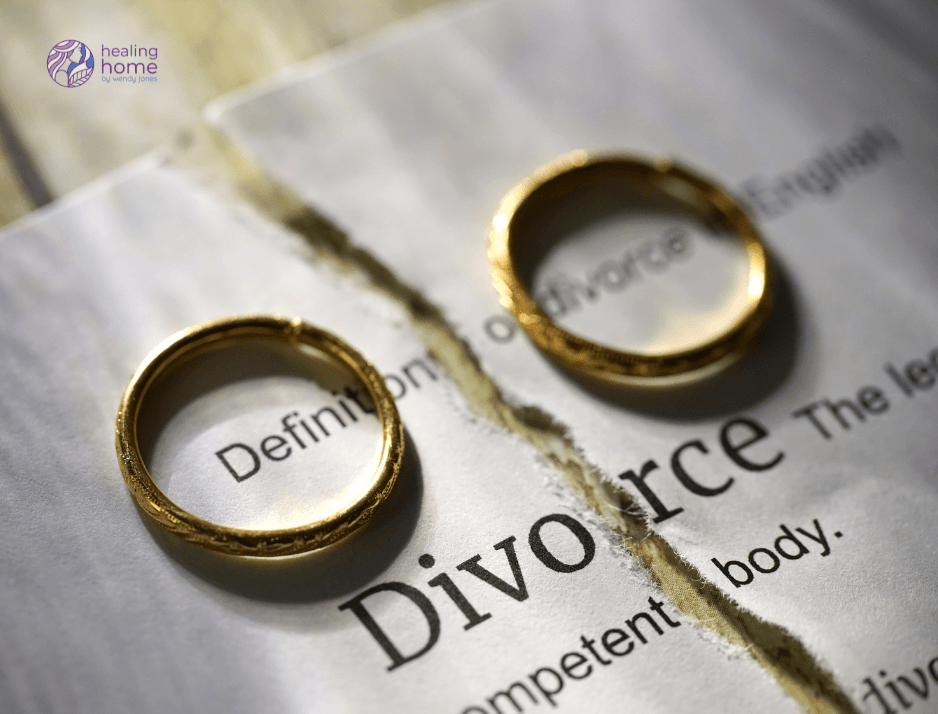

There’s a kind of heartbreak that divorce creates that people don’t always understand.
It isn’t just losing a person.
It’s losing a shared identity.
A routine.
A future you once believed was guaranteed.
And even if divorce was the right choice—even if you’re relieved—it can still leave you feeling raw, disoriented, and emotionally exhausted.
If you’re here searching for healing after divorce, let me say something your nervous system might need to hear:
You are not weak for struggling. You are human for grieving.
This is a gentle guide for women who are ready to rebuild their inner world—slowly, honestly, and in a way that supports deep self healing after divorce.
Because yes… you can heal after divorce.
But not by rushing. Not by proving. Not by pretending.
You heal by coming home to yourself.
Why Divorce Hurts More Than We Expect
Divorce isn’t just a legal ending. It’s a nervous system event.
Even if the relationship was unhealthy, divorce still creates:
- uncertainty
- emotional destabilization
- identity loss
- grief and loneliness
- financial and parenting stress
- fear of the future
And uncertainty is one of the most powerful triggers for stress.
The American Psychological Association explains that major life transitions—especially relationship loss—can activate intense stress responses in the body.
So if your body feels anxious, tense, exhausted, or shut down after divorce, it doesn’t mean you’re broken.
It means your system is adapting.
What Healing After Divorce Really Looks Like
Healing after divorce is not waking up one day and feeling “over it.”
Healing looks like:
- crying and then laughing again
- missing them but choosing yourself
- feeling anger and then feeling relief
- being triggered and learning how to regulate
- rebuilding your confidence one boundary at a time
At Healing Home, we believe healing is not linear.
It’s layered.
And each layer brings you closer to your truth.
The Nervous System and Divorce Recovery
Divorce often dysregulates the nervous system because it removes what was familiar—even if what was familiar wasn’t safe.
When you’re in survival mode, your body may cycle between:
- fight (anger, defensiveness, irritability)
- flight (overworking, busyness, avoidance)
- freeze (numbness, exhaustion, dissociation)
- fawn (people-pleasing, overgiving, guilt)
The Cleveland Clinic explains that stress can disrupt sleep, digestion, immune function, and emotional balance because it changes cortisol and adrenaline levels.
So if you feel physically drained after divorce, it’s not just emotional.
It’s biological.
Signs Your Nervous System Is Dysregulated After Divorce
You may notice:
- insomnia or restless sleep
- anxiety and racing thoughts
- digestive issues
- emotional numbness
- panic or hypervigilance
- brain fog
- constant exhaustion
This is why self-care after divorce isn’t a luxury.
It’s recovery.
Self Healing After Divorce: 9 Practices That Actually Help
If you want real self healing after divorce, these practices are simple, powerful, and sustainable.
1. Stop Forcing Closure
You may never get the apology you deserve.
You may never understand the full “why.”
Closure is not something someone gives you.
Closure is something you choose when you stop reopening the wound.
2. Regulate Your Body Before You Fix Your Life
Before you rebuild your future, help your body come out of emergency mode.
Try:
- inhale for 4, exhale for 6
- long walks in nature
- cold water on your face
- humming (stimulates the vagus nerve)
- somatic meditation
Research continues to show that nervous system regulation plays a key role in trauma recovery and emotional resilience.
Your nervous system needs safety before your heart can heal.
3. Rebuild Your Daily Rhythm
Divorce often destroys routine.
Start rebuilding with small anchors:
- consistent wake-up time
- simple nourishing meals
- movement daily
- reduced screen time
- nighttime wind-down ritual
Routine creates safety.
And safety creates healing.
4. Grieve the Identity You Lost
You’re not just grieving a person.
You’re grieving:
- the role you played
- the version of your future
- the home you imagined
- the hope you held onto
Let yourself grieve honestly.
That’s how the body releases what it’s been holding.
5. Release the Need to Be “Fine”
One of the most damaging post-divorce patterns is performing strength.
You don’t need to prove you’re okay.
You need to be supported while you’re not okay.
This is what real healing looks like.
6. Move Your Body to Move the Emotion
Emotion is energy.
And divorce creates a lot of trapped energy in the body.
Try:
- yoga
- dancing in your kitchen
- stretching
- walking
- breathwork
- shaking out tension
Movement helps your body complete stress cycles.
7. Protect Your Energy
Healing after divorce requires boundaries.
That may include:
- limiting communication with your ex
- unfollowing them online
- setting clear parenting expectations
- protecting your mental space from gossip
Boundaries are not punishment.
They are protection.
8. Create New Traditions
Divorce can make holidays, weekends, and quiet evenings feel painful.
Instead of recreating the past, create something new:
- solo rituals
- new routines with children
- meaningful practices that honor your new life
This is how you reclaim joy.
9. Let Support Hold You
The nervous system heals through safe connection.
Support may look like:
- therapy
- coaching
- community
- spiritual guidance
- somatic healing
If you want a deeper divorce healing resource from Healing Home.
How to Heal After Divorce When You Still Love Them
This is one of the hardest truths:
You can love someone… and still need to leave.
You can miss them… and still know it wasn’t safe.
You can grieve them… and still choose yourself.
Healing doesn’t require hatred.
Healing requires clarity.
And clarity comes when your nervous system settles enough to hear your inner truth again.
Healing After Divorce With Children: A Different Kind of Strength
If you’re healing while parenting, you may feel like you have to be strong for everyone.
But here’s the truth:
Your children don’t need perfection.
They need regulation.
When you regulate your nervous system, your children’s nervous systems begin to soften too.
This is how generational healing happens.
Quietly. Naturally. Through you.
When to Seek Professional Support
Sometimes self healing is not enough—and that’s okay.
Consider professional support if you experience:
- panic attacks
- severe depression
- trauma flashbacks
- inability to function daily
- prolonged numbness or shutdown
- intense grief that feels unmanageable
Healing isn’t meant to be done alone.
If you’d like support through Healing Home, you can contact us.
Final Reflection: You’re Not Broken—You’re Becoming
Divorce is not the end of your life.
It’s the end of a chapter.
And you get to write the next one with intention.
Healing after divorce is possible.
Not through forcing.
Not through proving.
But through softening.
Through regulation.
Through rest.
Through coming home to yourself.
FAQ
How long does healing after divorce take?
Healing after divorce varies for each person, but many women begin to feel more stable within 6–18 months depending on emotional support, nervous system regulation, and life circumstances.
What is the best way to heal after divorce?
The best way to heal after divorce is to focus on nervous system regulation, grief processing, emotional boundaries, and supportive relationships. Healing is faster when the body feels safe.
Can self healing after divorce really work?
Yes, self healing after divorce is possible through daily regulation practices, journaling, movement, and building supportive routines. However, therapy or coaching can accelerate healing when trauma is involved.
Why do I feel physically sick after divorce?
Divorce can dysregulate the nervous system, increasing stress hormones that affect digestion, sleep, immune health, and emotional balance.
What should I avoid after divorce if I want to heal?
Avoid emotional isolation, excessive social media comparison, constant contact with your ex, and rushing into new relationships to numb the grief.