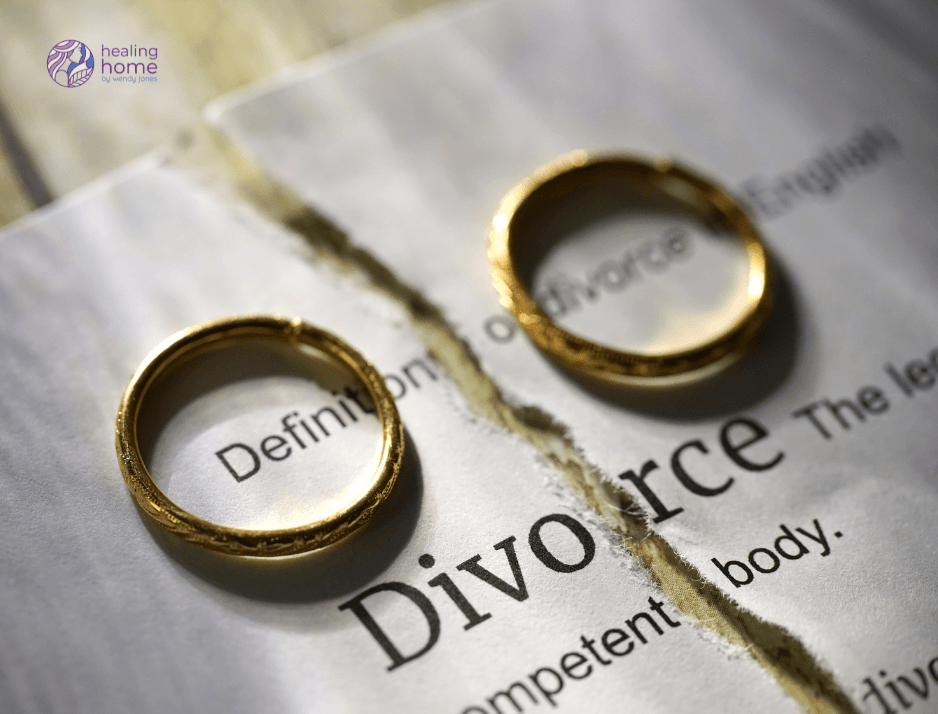

Divorce can be one of the most emotionally disruptive experiences a person faces. Relationships often shape identity, routines, and a sense of safety. When a marriage ends, it can leave behind confusion, grief, and uncertainty about the future. The process of healing after divorce is not simply about moving on — it is about rebuilding emotional stability and rediscovering who you are outside the relationship.
Many people believe they should recover quickly after a separation, but emotional healing rarely follows a straight timeline. According to research discussed by the American Psychological Association, divorce can trigger emotional responses similar to grief. Recognizing this is an important step in allowing yourself the patience needed for recovery.
Through intentional reflection, self-compassion, and supportive practices like emotional release meditation, it becomes possible to move forward with greater clarity and inner strength.
Why Healing After Divorce Can Feel So Overwhelming
The end of a marriage often disrupts multiple areas of life at once. Emotional attachment, shared routines, financial responsibilities, and family dynamics may all shift simultaneously. This is why healing after divorce can feel so intense and disorienting.
Psychologists often describe divorce as a “life transition event.” As explained in articles by Psychology Today, transitions challenge our sense of identity and stability. When a relationship ends, individuals may question their self-worth, past decisions, or future direction.
Common emotions during this time include:
- grief and sadness
- anger or resentment
- loneliness
- fear about the future
- emotional exhaustion
These feelings are normal. Understanding them allows the process of self healing after divorce to begin with compassion rather than judgment.
The Emotional Stages of Self Healing After Divorce
Healing is not a single moment but a series of emotional shifts. While every person’s journey is unique, several common stages appear during self healing after divorce.
Grief and Loss
Even when divorce is the healthiest decision, it still represents the end of shared dreams and expectations. Grieving the relationship is an essential part of learning to heal after divorce.
Suppressing emotions may delay healing, while allowing yourself to experience sadness or disappointment helps the body process the loss.
Identity Shifts
Marriage often intertwines two identities. After separation, individuals may feel unsure of who they are independently. This stage of self healing after divorce involves rediscovering personal values, interests, and goals.
Journaling, therapy, or guided reflection can help clarify these questions.
Emotional Release and Acceptance
Over time, intense emotions gradually soften. Acceptance does not mean forgetting the past — it means understanding the experience and allowing space for growth. Practices like emotional release meditation can be powerful during this stage.
Meditation techniques recommended by Mindful often focus on observing emotions without judgment, allowing them to pass through the body rather than becoming trapped.
Healthy Practices to Heal After Divorce
Intentional healing practices can support emotional stability and personal growth during this transition.
Emotional Release Meditation
One of the most effective tools for healing after divorce is emotional release meditation. This practice involves gently acknowledging emotions and allowing them to move through the body without resistance.
Meditation may include:
- slow breathing exercises
- body awareness
- visualization of emotional release
- compassionate self-reflection
Over time, emotional release meditation helps reduce stress and allows the nervous system to regain balance.
Nervous System Healing Practices
Divorce can activate the body’s stress response. Supporting the nervous system is an important part of self healing after divorce.
Helpful practices include:
- somatic breathing exercises
- mindful movement
- grounding techniques
- guided somatic healing sessions
Many people explore supportive guidance through resources like the programs offered at Healing Home, where somatic practices focus on reconnecting individuals with their bodies and emotions.
Rebuilding Self-Trust
After divorce, individuals sometimes struggle with self-confidence or decision-making. Rebuilding self-trust is a critical step when learning to heal after divorce.
This can involve:
- setting healthy boundaries
- reconnecting with personal values
- creating new routines
- celebrating small emotional victories
Each step strengthens emotional independence and personal confidence.
Creating a New Life After Divorce
While divorce represents an ending, it can also mark the beginning of a new chapter. As healing progresses, many individuals discover opportunities for growth and self-discovery they had not previously explored.
Personal transformation during self healing after divorce might include:
- pursuing passions or hobbies
- strengthening friendships and support networks
- exploring spiritual growth
- redefining life goals
Research from Greater Good Science Center suggests that mindful reflection and emotional awareness can help individuals turn difficult life experiences into meaningful personal growth.
This phase of healing after divorce often brings renewed clarity and purpose.
When Support Can Help Your Healing Journey
Healing does not have to happen alone. Supportive guidance can make a significant difference during emotionally challenging transitions.
Working with a coach or participating in guided healing sessions may provide tools that help individuals:
- process emotional pain
- release lingering resentment
- rebuild personal identity
- strengthen emotional resilience
Supportive programs such as those offered through Healing Home often combine somatic practices, reflection, and guided emotional work to support deeper healing.
Seeking help is not a sign of weakness — it is a step toward emotional empowerment.
Final Thoughts on Healing After Divorce
Every healing journey is different. Some people recover quickly, while others need more time to process emotions and rebuild their lives. What matters most is allowing the process to unfold with patience and self-compassion.
By practicing emotional awareness, exploring tools like emotional release meditation, and reconnecting with your sense of self, it becomes possible to move forward with strength and clarity. True healing after divorce is not about forgetting the past but about transforming the experience into wisdom, resilience, and renewed self-trust.
FAQ
1. How long does healing after divorce usually take?
Healing after divorce varies widely depending on emotional attachment, life circumstances, and support systems. Some individuals begin feeling stable within months, while others take longer to fully process the emotional transition.
2. What are effective methods for self healing after divorce?
Self healing after divorce often includes emotional reflection, therapy, meditation, journaling, and reconnecting with supportive relationships. Practices like emotional release meditation can also help process difficult emotions.
3. Can meditation help you heal after divorce?
Yes. Emotional release meditation helps calm the nervous system and allows individuals to observe their emotions without judgment, which can accelerate emotional healing after divorce.
4. Why is emotional release important in healing after divorce?
Emotional release prevents suppressed emotions from building up in the body. Healthy expression of feelings is essential for long-term self healing after divorce.
5. Is it possible to fully heal after divorce?
Yes. While divorce can be painful, many individuals eventually find renewed confidence, clarity, and purpose through intentional healing practices and emotional growth.